About us
News and information

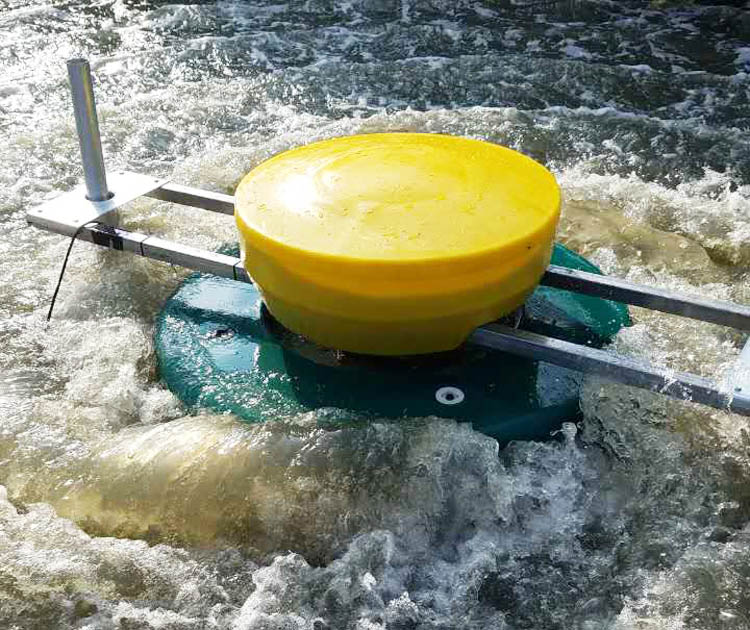
A Study on the Oxygenation Effect of Wave Surge Machines in Litopenaeus vannamei Farming
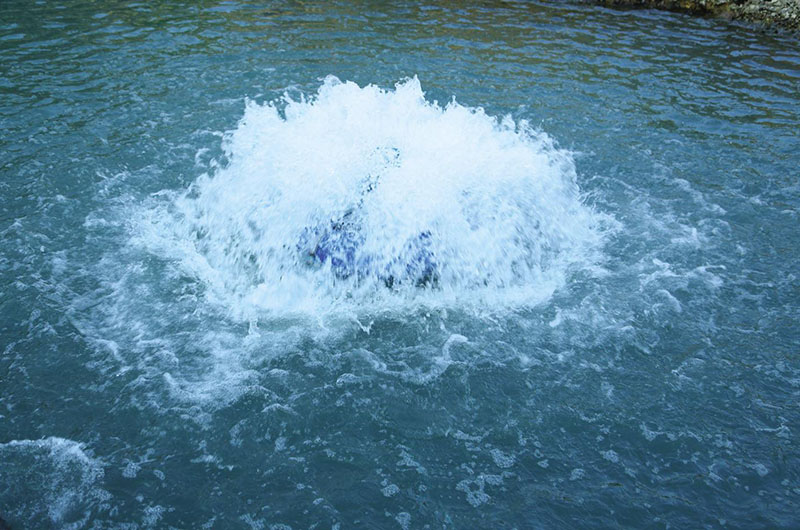
Dissolved oxygen is essential for the normal metabolism and growth of shrimp, and is a primary condition for their survival. In Litopenaeus vannamei farming, the dissolved oxygen level should ideally be no less than 3 mg/L. Under high-density shrimp farming conditions, dissolved oxygen often fails to meet the normal growth requirements of shrimp. Therefore, various aeration machines are widely used. Currently, the most widely used aeration machines in shrimp farming are paddlewheel aerators and impeller aerators.
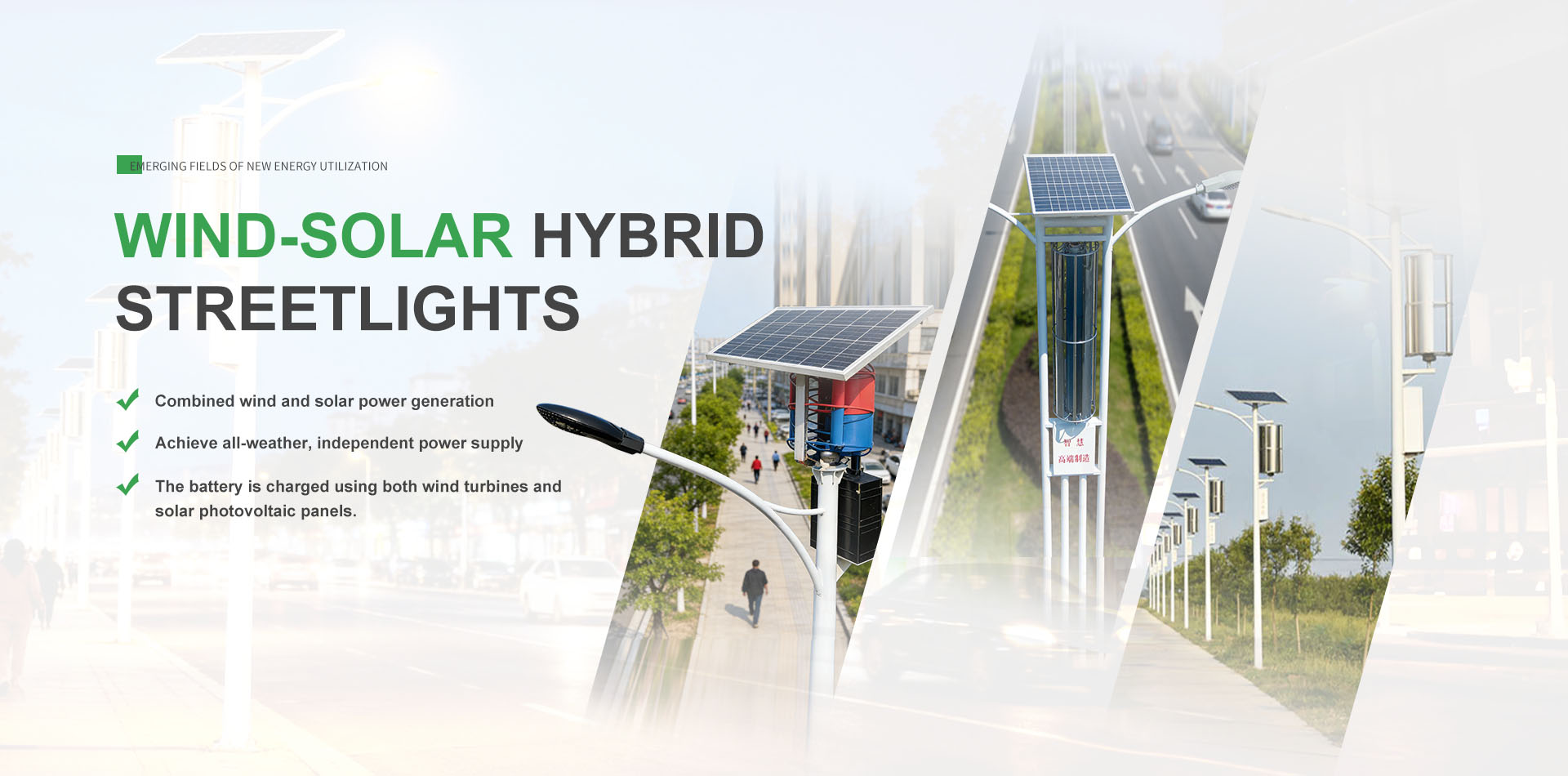
Are Wind-Solar Hybrid Streetlights Really a Good Solution?
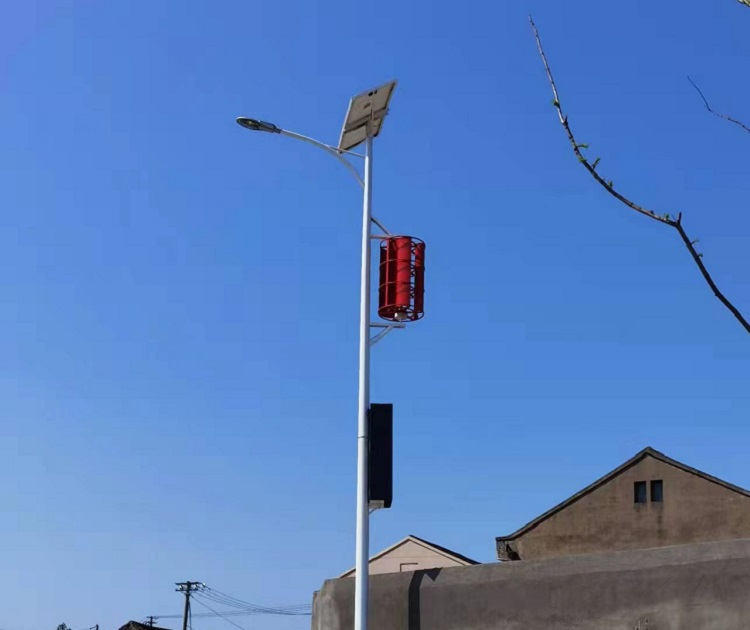
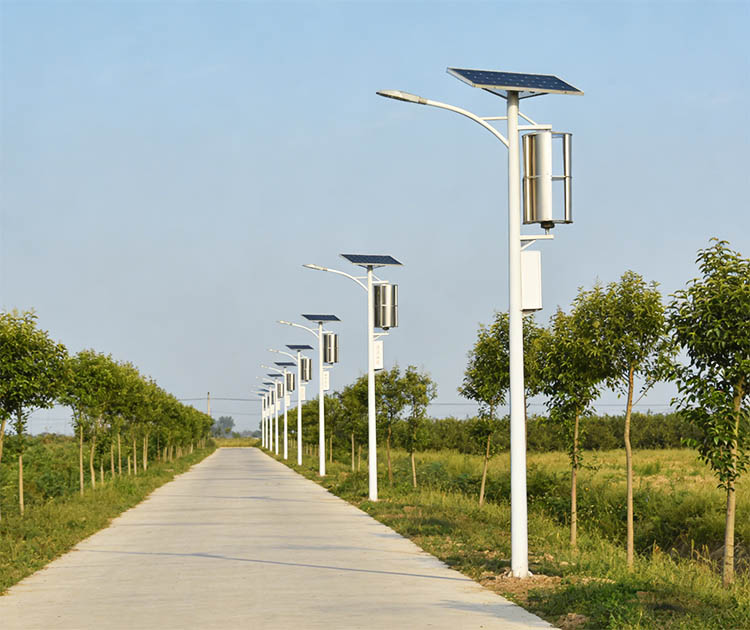
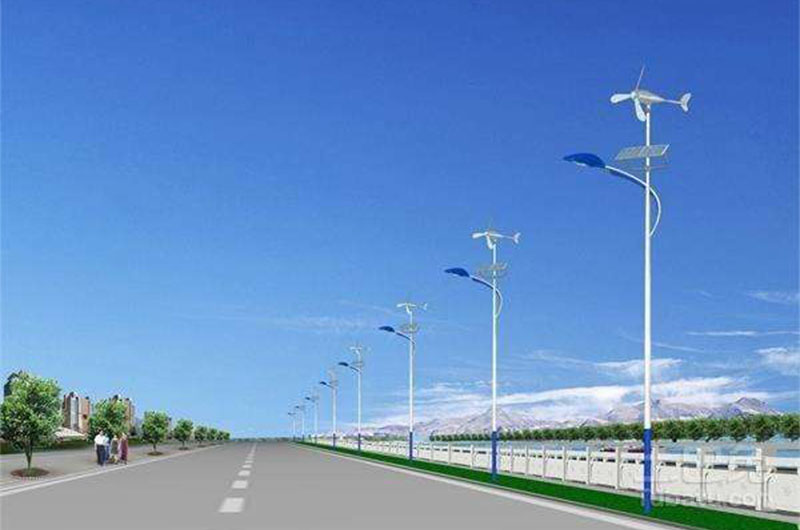
According to the "China Wind-Solar Hybrid Streetlight Industry Market Research and Investment Forecast Analysis Report" released by the Qianzhan Industry Research Institute, the total number of urban and rural streetlights in China is approximately 400 million, and is growing at a rate of 20% (40 million lights/year) annually. If this huge number of streetlights were calculated using 400-watt or 250-watt high-pressure sodium lamps, they would consume 300 billion kilowatt-hours of electricity annually, equivalent to the annual power generation of three Three Gorges Dams. If one-third of the streetlights in suburban areas and towns, where high reliability is not required, were replaced with 150-watt or 100-watt wind-solar hybrid LED streetlights, 100 billion kilowatt-hours of electricity would be saved within one year, equivalent to adding another Three Gorges Dam.
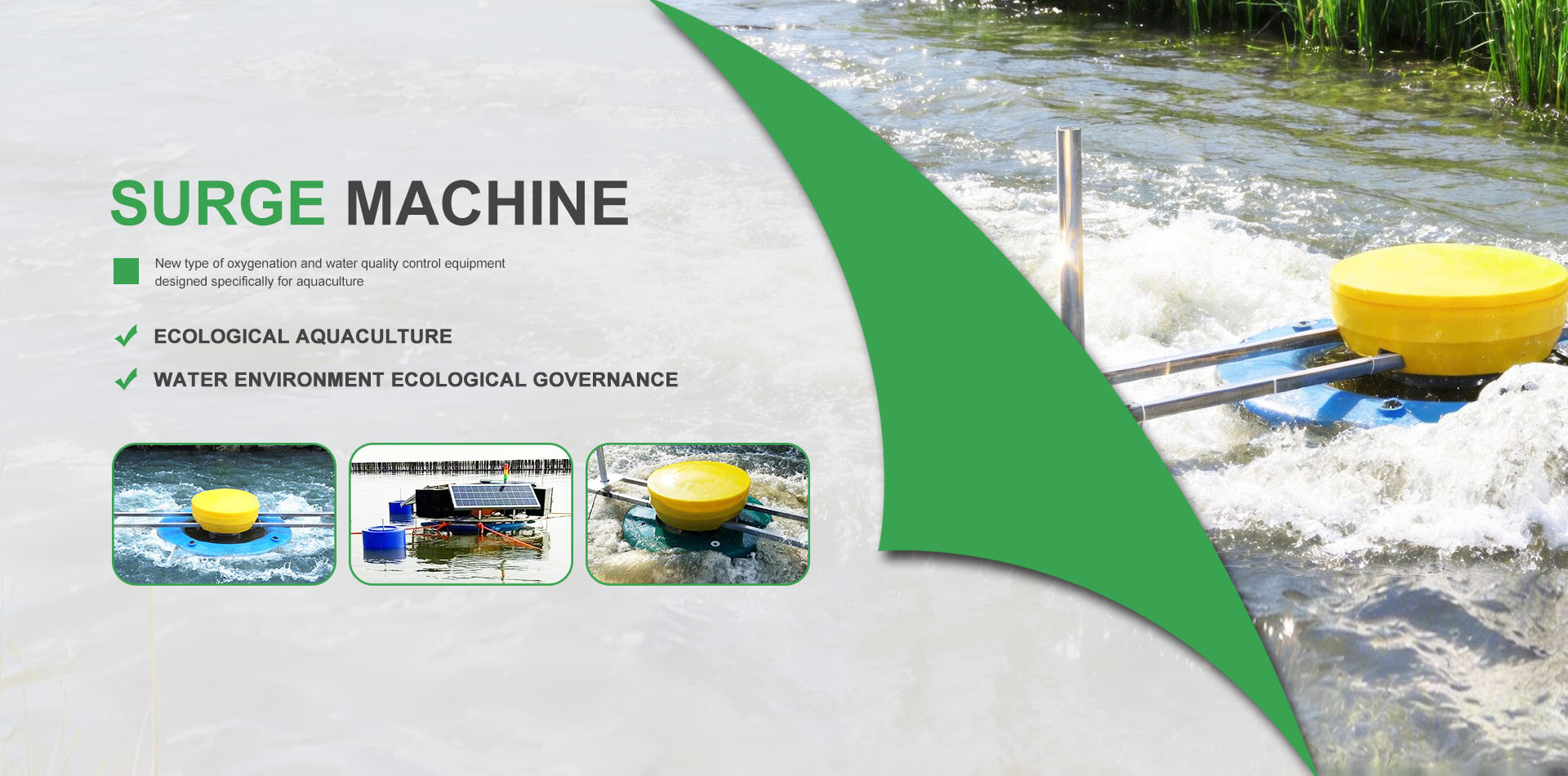
How should aquaculture farmers use wave pumps effectively?
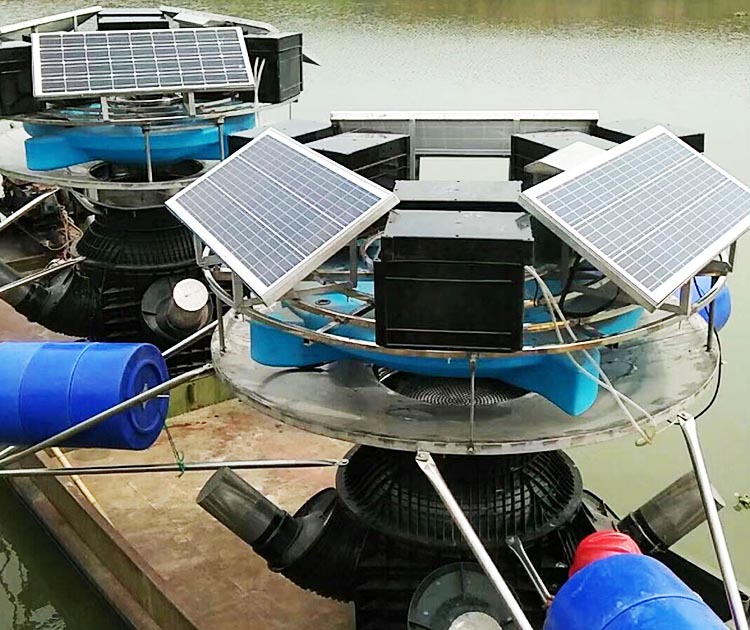
Aquaculture experience tells us that aerators should be run for 2-3 hours at midday on sunny days to reduce oxygen debt. Wave pumps and impeller aerators are commonly used aeration machines in pond aquaculture, but how effective are they in sunny weather, what is their impact, and how can they be used most cost-effectively?